

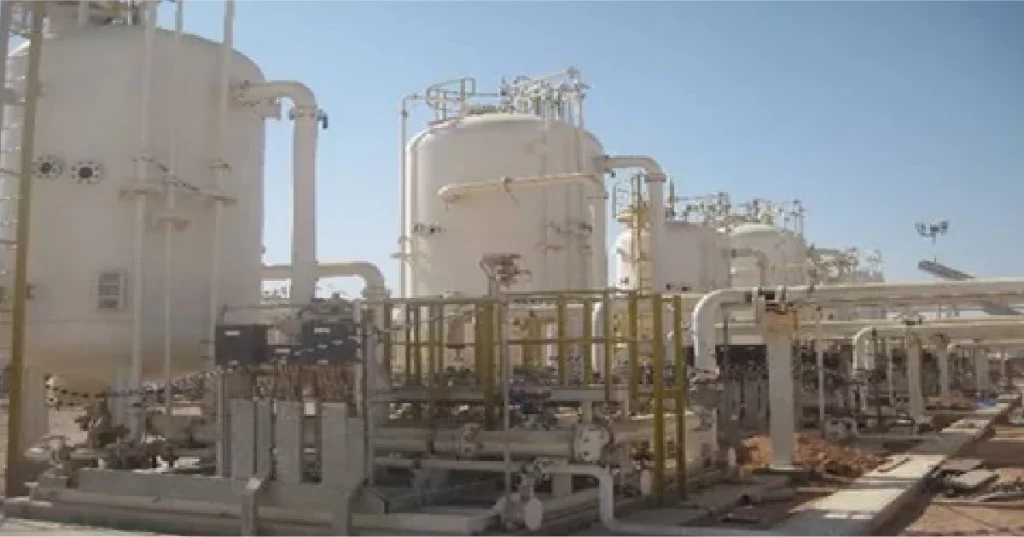
Oman is one of the most water-stressed countries in the world due to its arid climate, limited rainfall, and scarce freshwater resources. With growing urbanization, industrial development, and population expansion, ensuring a stable and sustainable water supply has become a national priority. To address these challenges, Desalination Plants have become a critical part of the Oman water supply system.
Today, seawater desalination Oman projects provide a major share of the country’s drinking water needs. projects in Oman’s treatment technologies and large-scale desalination infrastructure help convert seawater into safe, potable water for households, industries, and municipalities across the country.
Modern Oman water treatment plants now play a vital role in supporting long-term water security and sustainable development.
Why Desalination Is Important in Oman?
Oman has very limited natural freshwater resources.
Major challenges affecting water availability include:
- Low annual rainfall
- Limited surface water resources
- High evaporation rates
- Growing urban demand
- Expanding industrial activity
- Groundwater depletion
These conditions make seawater desalination Oman projects essential for maintaining a reliable national water supply.
Din desalination helps reduce dependence on groundwater and seasonal water sources while ensuring year-round drinking water availability.
What Is a Desalination Plant?
A desalination plant converts seawater into fresh drinking water by removing salts, dissolved minerals, and impurities.
Modern desalination systems typically include:
- Seawater intake systems
- Pretreatment units
- Membrane filtration systems
- Reverse osmosis treatment
- Post-treatment and disinfection systems
- Water storage and distribution infrastructure
These integrated Oman water treatment plants ensure safe and reliable potable water production.
Reverse Osmosis Desalination in Oman
Most modern reverse osmosis desalination Oman facilities use membrane-based treatment systems for efficient salt remfacilities in Oman Osmosis Works.
Reverse osmosis systems force seawater through specialized membranes under high pressure.
The membranes remove:
- Dissolved salts
- Minerals
- Suspended particles
- Microorganisms
- Contaminant removal. This process produces high-quality desalinated water suitable for drinking and industrial applications.
Benefits of Reverse Osmosis Desalination
Reverse osmosis desalination Oman systems provide several operational and environmental benefits.
-
High Wsystems in Oman
Produces safe and clean potable water.
-
Energy Efficiency
Modern RO systems consume less energy compared to older thermal desalination technologies.
-
Scalable Infrastructure
Can support growing municipal and industrial water demand.
-
Reliable Water Supply
Provides consistent water production regardless of rainfall conditions.
Role of Desalination Plants in Oman Water Supply System
Desalination plants are now a primary source of drinking water across Oman.
These facilities support:
- Municipal water supply networks
- Residential communities
- Industrial operations
- Commercial infrastructure
- Tourism and hospitality sectors
Integrated desalination infrastructure helps strengthen the Oman water supply system while improving national water security.
Desalinated Water Oman Safety and Quality
Ensuring desalinated water Oman safety is essential for public health and long-term water reliability.
Moderation facilities use advanced monitoring systems and post-treatment processes to maintain water quality standards.
Treatment processes include:
- Mineral balancing
- pH adjustment
- Disinfection systems
- Water quality monitoring
These processes ensure desalinated water is safe for drinking and domestic use.
Drinking Water Sources in Oman
Oman relies on multiple drinking water sources to meet national demand.
These include:
- Desalinated seawater
- Groundwater resources
- Surface water reservoirs
- Treated wastewater reuse
However, desalination remains the most important large-scale source for urban drinking water supply.
Challenges Faced by Desalination Plants
While desalination provides critical water security, the industry also faces operational challenges.
-
High Energy Demand
Desalination processes require significant energy consumption.
-
Brine Disposal
Managing concentrated salt discharge requires environmental control.
-
Infrastructure Investment
Large-scale desalination projects require advanced engineering and capital investment.
-
Membrane Fouling
RO systems require regular maintenance and pretreatment systems to prevent membrane damage.
Modern treatment technologies help improve operational efficiency and sustainability.
Sustainable Future of Seawater Desalination Oman
Oman continues investing in sustainable desalination technologies and advanced water infrastructure.
Key future trends include:
- Energy-efficient RO systems
- Renewable energy integration
- Smart monitoring systems
- Advanced membrane technologies
- Water recycling integration
- Sustainable brine management solutions
These advancements will improve long-term water sustainability while reducing environmental impact.
Ion Exchange Solutions for Desalination and Water Treatment
Ion Exchange provides advanced desalination and water treatment solutions for municipal and industrial applications worldwide.
Their capabilities include:
- Reverse osmosis desalination systems
- Seawater treatment plants
- Industrial water treatment systems
- Membrane-based treatment technologies
- Water recycling and reuse systems
- Integrated operations and maintenance support
Using advanced engineering and sustainable technologies, Ion Exchange helps support reliable drinking water infrastructure and efficient water management.
Conclusion
Desalination Plants play a critical role in maintaining Oman’s drinking water system and ensuring long-term water security. Through advanced reverse osmosis desalination Oman technologies and modern water treatment infrastructure, the country co,ntinues strengthe,ning its ability to provide safe and reliable drinking water despite challenging environmental conditions.
As water demand continues to grow, sustainable seawater desalination Oman systems will remain essential for supporting public health, industrial systems, and Oman’s future economic development.
FAQs
1. Why are desalination plants important in Oman?
They provide a reliable source of drinking water in a country with limited freshwater resources and low rainfall.
2. How does reverse osmosis desalination work?
It uses high-pressure membranes to remove salts and impurities from seawater to produce fresh water.
3. Is desalinated water safe for drinking?
Yes, modern treatment and monitoring systems ensure desalinated water meets drinking water quality standards.
4. What are the main drinking water sources in Oman?
Oman uses desalinated seawater, groundwater, reservoirs, and treated wastewater reuse systems.
5. How does Ion Exchange support desalination projects?
Ion Exchange provides advanced desalination systems, membrane technologies, and integrated water treatment solutions for municipal and industrial applications.