

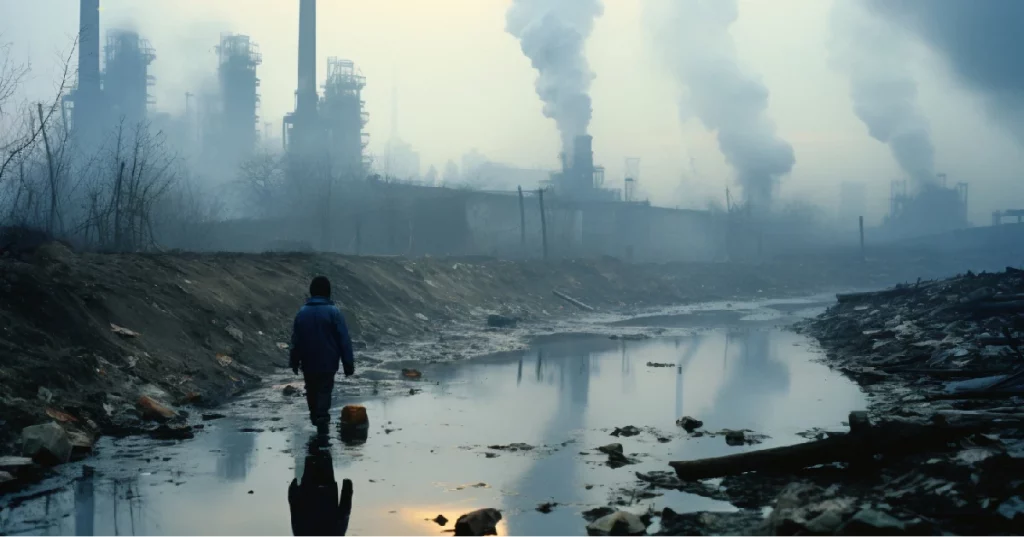
Rapid industrial development and urban expansion in Oman have increased the demand for efficient wastewater treatment solutions. Industries such as oil and gas, manufacturing, food processing, and petrochemicals generate significant volumes of wastewater that must be treated before discharge or reuse.
Effective wastewater treatment systems are therefore essential to protect water resources, prevent environmental pollution, and support sustainable industrial growth. By adopting advanced treatment technologies, industries and municipalities in Oman can reduce contaminants, improve water quality, and ensure compliance with environmental regulations.
The Importance of Wastewater Treatment in Pollution Prevention
Untreated wastewater contains contaminants such as organic pollutants, suspended solids, nutrients, pathogens, and chemicals. If released into natural water bodies without proper treatment, it can cause severe environmental damage, affecting marine ecosystems, groundwater resources, and public health.
Advanced wastewater treatment solutions help reduce these risks by removing pollutants and ensuring that treated water meets environmental discharge standards. These systems play a critical role in pollution prevention and sustainable water management.
Major Sources of Wastewater in Oman
Several sectors contribute to wastewater generation in the country, including:
-
Industrial Operations
Manufacturing facilities, refineries, and chemical plants generate wastewater containing oils, chemicals, and heavy metals.
-
Municipal Wastewater
Urban sewage from residential and commercial areas contains organic waste, nutrients, and pathogens.
-
Oil and Gas Industry
Produced water from oil and gas extraction often contains hydrocarbons, salts, and other contaminants.
-
Food Processing and Agriculture
Processing plants generate wastewater rich in organic matter and suspended solids.
Treating these wastewater streams effectively is essential to prevent environmental contamination.
Advanced Technologies in Wastewater Treatment
Modern water treatment systems integrate multiple technologies to remove contaminants efficiently and produce high-quality treated water.
-
Membrane Bioreactors (MBRs)
Membrane bioreactors (MBRs) combine biological treatment with membrane filtration to remove organic pollutants and suspended solids.
Key advantages of MBR systems include:
- High-quality treated effluent
- Reduced footprint compared to conventional treatment plants
- Efficient removal of organic contaminants
- Improved process stability
MBR technology is widely used in municipal and industrial wastewater treatment facilities where space and treatment efficiency are critical.
-
Reverse Osmosis (RO)
Reverse osmosis (RO) is a membrane-based treatment process that removes dissolved salts, minerals, and contaminants from water.
RO systems are commonly used in advanced wastewater treatment and water recycling applications. Benefits include:
- High removal efficiency for dissolved contaminants
- Production of high-quality water suitable for reuse
- Reduction of total dissolved solids (TDS)
This technology is particularly valuable for industries aiming to reuse treated wastewater in production processes.
-
Ultraviolet (UV) Bacterial Control
Ultraviolet (UV) disinfection systems provide effective bacterial and pathogen control without the use of chemical disinfectants.
UV treatment works by exposing microorganisms to ultraviolet light, which destroys their DNA and prevents them from reproducing.
Advantages include:
- Chemical-free disinfection
- Rapid treatment process
- Effective elimination of bacteria and viruses
- Reduced formation of harmful disinfection by-products
UV technology is often used as a final polishing step in advanced wastewater treatment plants.
Benefits of Advanced Wastewater Treatment Systems
Implementing modern wastewater treatment systems offers several environmental and operational benefits:
- Prevention of water pollution
- Protection of marine ecosystems and groundwater resources
- Compliance with environmental regulations
- Reduction of industrial discharge impacts
- Opportunities for water recycling and reuse
These systems help industries maintain responsible environmental practices while supporting sustainable operations.
Supporting Sustainable Water Management in Oman
As water resources become increasingly valuable in arid regions like Oman, wastewater treatment plays an important role in water conservation strategies.
Treated wastewater can be reused in several applications, such as:
- Industrial processes
- Cooling systems
- Landscape irrigation
- Construction activities
Water reuse helps reduce dependence on freshwater sources and supports long-term water sustainability.
Ion Exchange Solutions for Wastewater Treatment
Ion Exchange offers advanced water treatment systems and integrated wastewater treatment technologies designed to support industries and municipalities worldwide.
Their solutions include:
- Membrane bioreactor (MBR) systems
- Reverse osmosis (RO) treatment plants
- Ultraviolet bacterial control systems
- Integrated wastewater recycling solutions
- Complete industrial and municipal water treatment systems
These technologies help industries achieve reliable wastewater treatment while ensuring effective pollution prevention.
Conclusion
Wastewater treatment is essential for protecting water resources and preventing environmental pollution in Oman. By implementing advanced technologies such as membrane bioreactors, reverse osmosis, and ultraviolet bacterial control, industries and municipalities can treat wastewater effectively and support sustainable water management.
Modern water treatment systems not only reduce pollution but also create opportunities for water reuse, helping Oman build a resilient and sustainable water future.
FAQs
1. Why is wastewater treatment important for pollution prevention?
Wastewater treatment removes pollutants before discharge, protecting water resources, preventing environmental damage, and ensuring compliance with pollution control regulations.
2. What industries generate the most wastewater?
Industries such as oil and gas, manufacturing, food processing, petrochemicals, and municipal utilities generate large volumes of wastewater that require proper treatment.
3. How do membrane technologies improve wastewater treatment efficiency?
Membrane technologies like MBR and RO remove fine particles, dissolved salts, and contaminants, producing high-quality treated water suitable for reuse.
4. Can treated wastewater be reused safely in industrial applications?
Yes, properly treated wastewater can be reused for cooling, processing, irrigation, and utility operations using advanced water treatment systems.
5. How does Ion Exchange provide advanced wastewater treatment solutions?
Ion Exchange provides integrated wastewater treatment systems, including MBR, RO, UV disinfection, and recycling solutions to ensure efficient treatment and pollution prevention.